In today’s fast-paced business environment, finding the right space for meetings, presentations, and collaborative sessions has become a critical operational challenge. Whether you’re hosting internal strategy discussions, client presentations, or team brainstorming sessions, the quality and availability of conference room booking solutions directly affect your organisation’s productivity and professional image. Many businesses struggle to manage room availability efficiently, leading to double bookings, wasted time searching for suitable spaces, and frustration among staff members. Understanding how to approach conference room booking strategically—from selecting the right space to implementing a reliable booking system—can transform the way your team collaborates and communicates.
This guide explores the essential aspects of conference room booking, helping you navigate the practical considerations that come with managing meeting spaces in a corporate environment. We’ll examine what makes an effective booking solution, the key benefits of implementing a structured approach, common pitfalls to avoid, and the steps you can take to streamline your meeting space management. By the end, you’ll have a clearer picture of how to optimise this often-overlooked but vital aspect of workplace operations.
Understanding Conference Room Booking
Conference room booking refers to the process of reserving dedicated meeting spaces within or outside your workplace for scheduled business activities. At its core, it’s about matching the right room with the right meeting at the right time, ensuring that spaces are utilised efficiently whilst remaining available when needed.
Effective conference room booking encompasses several layers. First, there’s the administrative process—the mechanism by which staff members identify, reserve, and confirm their use of a space. This might involve a digital booking system, a shared calendar, or a combination of both. Second, there’s the physical management of the rooms themselves, including setup, equipment functionality, and cleanliness. Third, there’s the broader strategic element: understanding your organisation’s meeting patterns, peak usage times, and whether your current room inventory actually meets demand.
A well-executed conference room booking system recognises that one size does not fit all. A small brainstorming session has entirely different requirements than a formal client presentation or a large departmental meeting. The space, technology, seating arrangement, and ambiance must align with the nature of the gathering. Modern conference room booking has evolved beyond simple paper schedules to include integrated software solutions that sync across teams, provide real-time availability, and often include features such as equipment reservations and catering coordination.
Benefits of Implementing Structured Conference Room Booking
Eliminating Double Bookings and Scheduling Conflicts
One of the most immediate frustrations in offices without proper conference room booking protocols is the clash of reservations. Two teams arrive at the same room at the same time, meetings start late, and valuable time is lost resolving the conflict. A centralised booking system—whether digital or carefully managed—creates a single source of truth. Everyone sees the same availability, understands what’s already reserved, and can book with confidence. This alone saves countless hours of administrative work and prevents the awkwardness and lost productivity that come with room conflicts.
Improving Space Utilisation and Cost Efficiency
When conference room booking is tracked systematically, you gain visibility into how your spaces are actually being used. Are certain rooms consistently overbooked whilst others sit empty? Are meetings running longer than scheduled, creating bottlenecks? This data reveals patterns that allow you to right-size your room portfolio. Perhaps you need more small breakout spaces rather than large boardrooms, or perhaps some rooms can be repurposed. By understanding utilisation rates, you can make informed decisions about real estate expenditure and ensure every square metre is earning its value.
Enhancing Team Productivity and Collaboration
When staff members spend less time hunting for available spaces and coordinating logistics, they spend more time on substantive work. A streamlined conference room booking system removes friction from the planning process. Teams can focus on preparing their content, gathering necessary materials, and clarifying objectives rather than scrambling to find a suitable meeting space. Additionally, when spaces are well-organised and reliably available, meetings can happen when they’re most needed, fostering spontaneous collaboration and faster decision-making.
Creating a Professional Environment for Clients and Stakeholders
The spaces in which you host clients, partners, and other external stakeholders shape their perception of your organisation. A professionally managed conference room—one that’s well-maintained, equipped with appropriate technology, and reliably available—signals competence and professionalism. Conversely, arriving at a meeting to find the room unavailable, poorly maintained, or lacking necessary equipment damages credibility. Effective conference room booking ensures that whenever you need to impress or conduct important business, your environment supports that objective.
Enabling Better Planning and Resource Allocation
Structured booking systems often integrate with other business processes. Catering orders can be linked to meeting bookings, technology requirements can be pre-flagged, and support staff can be notified in advance. This coordination transforms conference room booking from a simple logistical task into a strategic operational tool. When your booking system communicates with other systems across the organisation, everything from AV support to refreshments can be arranged proactively, ensuring meetings run smoothly.
Supporting Flexible and Hybrid Work Arrangements
As more organisations embrace hybrid work models, conference room booking becomes even more critical. Physical spaces must be shared equitably amongst on-site teams and those joining remotely. A good booking system accommodates this reality by making it easy to reserve spaces with video conferencing capability, ensuring that distributed teams can participate fully. Additionally, clear booking visibility helps on-site teams avoid overloading limited meeting spaces on days when many staff are in the office.
Common Challenges and Considerations in Conference Room Booking
Despite the clear benefits, many organisations encounter obstacles when implementing or managing conference room booking:
- Resistance to change: Staff accustomed to informal arrangements may be slow to adopt new systems or processes.
- Technology integration: Legacy calendar systems may not communicate with dedicated room booking software, creating duplicate entry points.
- Enforcement and compliance: Without clear policies and accountability, some users will ignore the system or book spaces speculatively without using them.
- Equipment inconsistency: If conference rooms have different technology setups, users must understand what’s available in each space to book appropriately.
- Peak-time bottlenecks: Popular time slots and preferred rooms will be claimed quickly, requiring policies about booking windows or priority use.
- Maintenance and cleanliness: Rooms must be cleaned and checked between bookings to maintain professional standards, requiring clear handover processes.
Understanding these challenges allows you to design systems and policies that address real-world friction points rather than simply adopting a solution without considering your organisation’s specific culture and workflow.
Steps to Optimise Your Conference Room Booking Process
1. Audit your current situation. Before implementing changes, understand what you have. Map your existing meeting spaces, their capacity, technology, and location. Track how they’re actually being used for at least two weeks. Identify bottlenecks, underutilised areas, and user frustrations. This baseline data will guide all subsequent decisions.
2. Select an appropriate booking system. Evaluate whether a simple shared calendar, a dedicated room booking software, or a hybrid approach best fits your organisational size and complexity. Consider integration with your existing tools—does it connect with your calendar platform, email system, and other workplace applications? Ensure it’s intuitive; a system that’s difficult to use will face adoption resistance.
3. Define clear policies and protocols. Establish guidelines about booking windows, cancellation procedures, room selection criteria, and consequences for no-shows. How far in advance can rooms be booked? Can users book multiple rooms speculatively? What happens if a booking is cancelled at the last minute? Clear policies prevent confusion and ensure fair access to limited resources.
4. Standardise room setup and labelling. Ensure each conference room has a clear designation—small meeting space, boardroom, presentation theatre, breakout area—with documented capacity, technology, and features. Users should be able to quickly identify which room suits their needs without guessing.
5. Integrate technology appropriately. If your organisation uses video conferencing, ensure conference rooms have compatible equipment and that staff know how to use it. Test all technology regularly. Poor AV experiences undermine meeting effectiveness and frustrate participants.
6. Communicate and train. Introduce the new system with clear communication about why it matters, how to use it, and what’s expected of users. Provide training, particularly for less tech-savvy staff. Address concerns openly and gather feedback early.
7. Monitor and refine. Once implemented, track how the system performs. Watch for continued pain points, analyse utilisation data, and adjust policies or space allocation as needed. Conference room booking is not a “set and forget” initiative; it requires ongoing attention and evolution.
Partnering with Permas Guru for Your Conference Room Needs
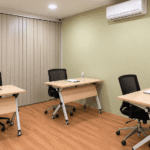
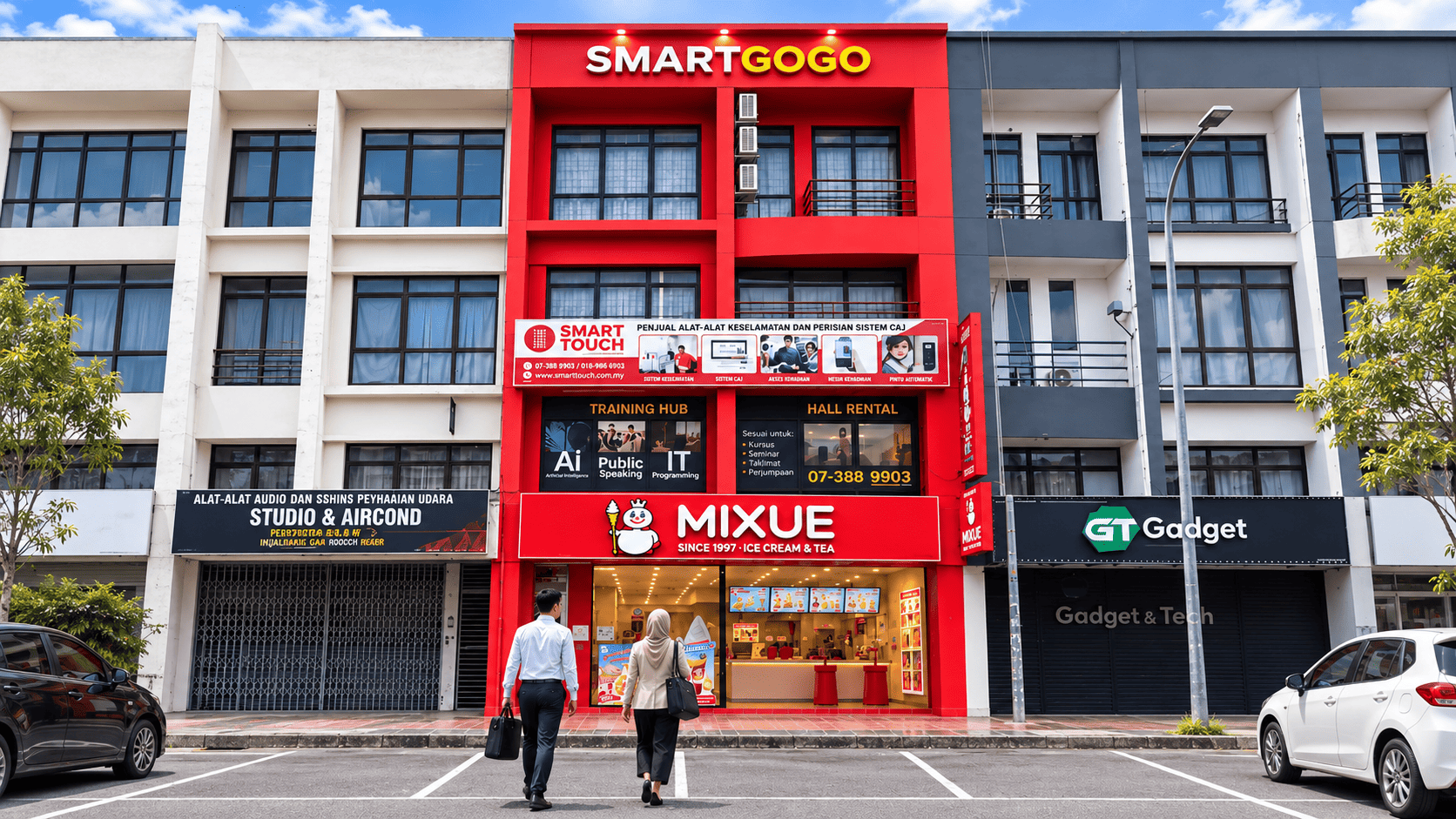
For organisations in the Johor Bahru area looking for reliable, professionally managed conference spaces, Permas Guru offers dedicated facilities designed to support business meetings of various scales. Whether you need a space for a small internal team meeting or a larger client presentation, having access to professionally managed conference rooms eliminates the challenge of finding suitable venues externally.
Permas Guru is conveniently located in Bandar Baru Permas Jaya, making it accessible for businesses throughout Johor. By partnering with an established venue provider, you gain access to spaces that are maintained to professional standards, equipped with necessary technology, and available when you need them. This is particularly valuable for organisations that don’t have sufficient internal meeting space or wish to create a formal, neutral environment for client meetings or important presentations.
To explore how Permas Guru’s conference facilities can support your organisation’s meeting needs, contact them directly to discuss your specific requirements and availability.
Conclusion
Conference room booking is far more than a minor administrative detail; it’s a foundational element of workplace efficiency and professionalism. When managed well, it eliminates frustration, supports collaboration, optimises resource utilisation, and reinforces your organisation’s professionalism. When neglected, it creates daily friction that compounds across the year, affecting morale and productivity.
The approach you take should reflect your organisation’s size, culture, and specific challenges. Whether you manage everything internally or partner with external venues like Permas Guru, the key is having a clear, consistent, and user-friendly system that everyone understands and respects. By following the steps outlined—auditing your current state, selecting appropriate tools, defining clear policies, and refining based on ongoing feedback—you can transform conference room booking from a source of frustration into a smooth, nearly invisible process that supports your team’s best work.
Start by assessing where your organisation currently stands with conference room booking. Identify one or two immediate pain points and address them systematically. The investment in getting this right will pay dividends through improved productivity, better collaboration, and a more professional environment for both internal meetings and client interactions.
Permas Guru
36-01, Jalan Permas 10, Bandar Baru Permas Jaya, 81750 Masai, Johor, Malaysia