AI is no longer a “nice to have” on a resume — it’s becoming a baseline expectation. Job postings requiring AI skills have grown 144% year over year, and professionals with strong AI capabilities are earning up to 56% more than peers without them. Whether you’re in marketing, finance, HR, operations, or management, here are the five AI skills worth prioritizing this year.
1. Prompt Engineering
If you learn only one AI skill in 2026, make it this one. Prompt engineering is simply the ability to give AI tools like ChatGPT, Claude, or Copilot clear, specific instructions that get you accurate, useful results — instead of generic or off-target output. It’s the foundation for everything else on this list, and it takes minutes to start improving with the right practice.
Why it matters: The difference between a mediocre AI response and a genuinely useful one usually comes down to how the question was asked, not the tool itself.
2. AI-Augmented Data Analysis
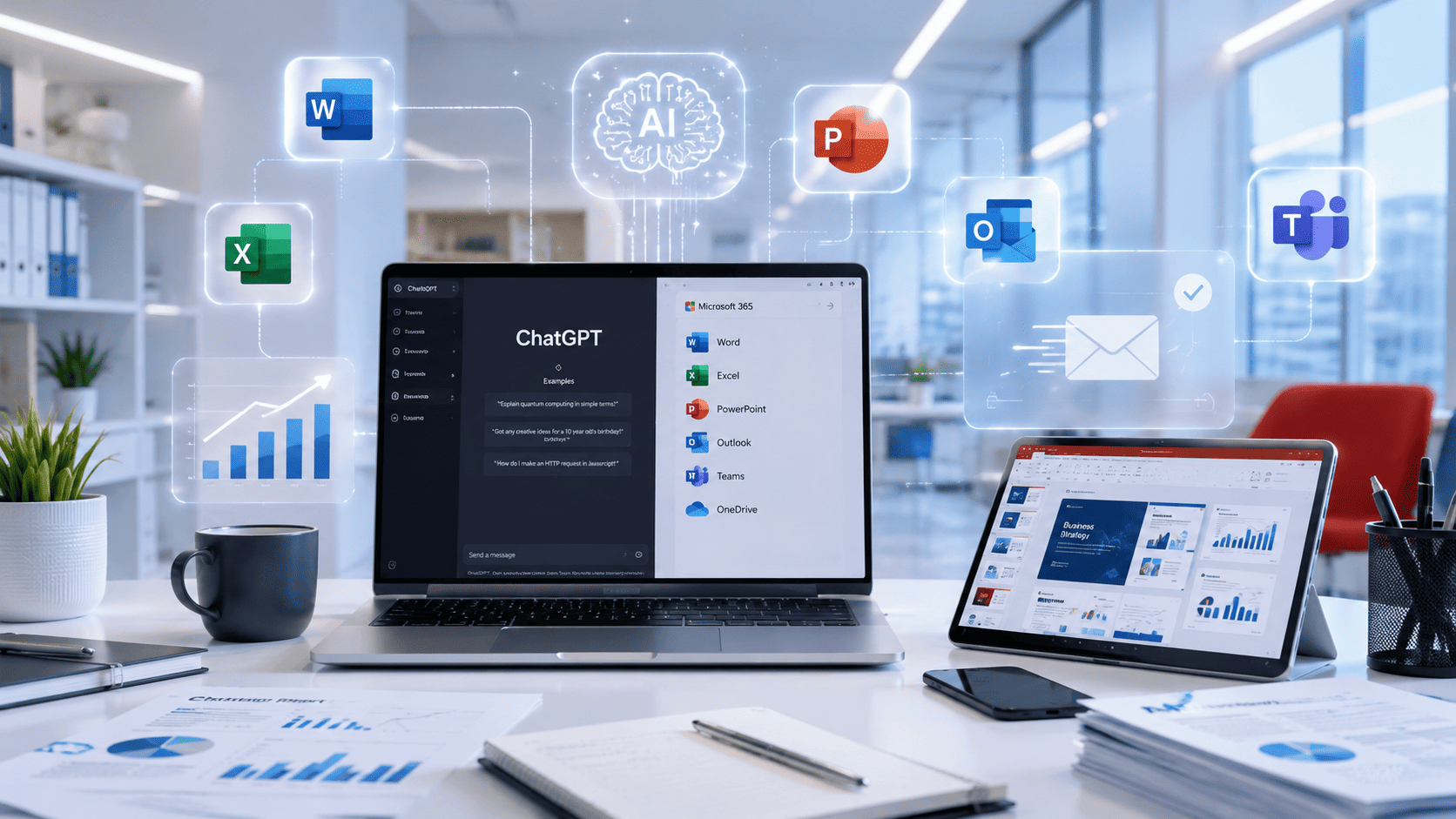
You don’t need to become a data scientist to benefit from AI in your day-to-day work. Tools built into Excel, Power BI, and similar platforms now let you ask plain-language questions of your data and get instant summaries, trends, and visualizations.
Why it matters: Faster, more confident decisions — without waiting on a dedicated analytics team for every report.
3. AI Tool Fluency & Workflow Automation
Beyond chatbots, many professionals are now using AI to automate repetitive tasks: drafting emails, summarizing meetings, generating first-draft reports, or triaging customer inquiries. Understanding which tools fit which tasks — and how to chain them into a simple workflow — is quickly becoming a core productivity skill.
Why it matters: Time saved on repetitive work is time you can redirect toward higher-value tasks that actually need a human.
4. AI Ethics, Privacy & Responsible Use
As AI tools handle more sensitive information and make more decisions, understanding the basics of data privacy, bias, and responsible AI use isn’t optional — it’s a professional safeguard. This means knowing what data is safe to input into an AI tool, recognizing when AI output might be biased or inaccurate, and understanding your company’s compliance obligations.
Why it matters: One careless prompt with sensitive company or customer data can create a real problem. Knowing the boundaries protects you and your employer.
5. Critical Thinking & Human Judgment
Ironically, the more capable AI becomes, the more valuable human judgment gets. AI tools can produce confident-sounding answers that are wrong, outdated, or missing context. The professionals who get the most value from AI are the ones who know how to verify output, spot gaps, and apply real-world judgment before acting on it.
Why it matters: AI is a powerful assistant, not a replacement for accountability. Knowing when to trust it — and when to double-check — is what separates effective AI users from everyone else.
Where to Start
You don’t need to master all five skills overnight. Start with prompt engineering, since it makes every other AI tool easier to use well, then build outward from there based on what’s most relevant to your role.
If you’d like structured, hands-on guidance rather than figuring it out alone, Smart Touch’s AI courses in Johor Bahru cover these skills from beginner to advanced level, with live instructor-led sessions and real project work. Explore our AI courses to find a track that fits your schedule.
smartouch permas guru

